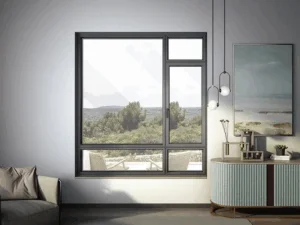
A rooftop window opening is a space in a roof that holds a window or skylight. It can bring in daylight, frame the sky, move fresh air, or give you a way onto the roof. The phrase is not a product name. People use it for several jobs, and that causes mix-ups. Roof windows, skylights, and dormers sound alike, but they are not the same. Let’s break it down.
How Is a Roof Window Different From a Skylight or Dormer?
A roof window sits flush with the roof slope and opens like a regular window. A skylight is a window made for a sloped or flat roof. ENERGY STAR defines a skylight as a window designed for sloped or horizontal use in a home’s roof. Many skylights sit on a raised frame called a curb. Curb height depends on the skylight model, roof conditions, and local requirements. A dormer is a small structure that sticks out of a sloped roof. It holds an upright window.
Here is a quick look.
| Type |
Where it sits |
Does it open? |
Best for |
| Roof window |
In the roof slope |
Yes, usually wide. |
Attic rooms, upstairs offices |
| Skylight |
On or in the roof, often on a curb |
Fixed, or a few inches |
Hard-to-reach spots, flat roofs |
| Dormer window |
Upright wall of a roof projection |
Like any wall window |
The dormer structure may add headroom |
Brands also mix the words. Some call every roof glass a skylight. Read the product page, not just the label.
Explore Our Window Collection
Browse our range of custom pass-through windows designed to transform your space. Discover quality, style, and functionality in every product.
Shop Now
What Types of Rooftop Window Openings Are Available?
Match the type to the job.
Fixed skylight. It brings in light and nothing else. It does not open.
Venting skylight. It adds a little air. Some models open only a few inches, which lets air in but not people. Check the spec for each model.
Roof window. It opens wide. Two styles are common. A top-hinged window swings out from the top edge. A center-pivot window turns on a bar near the middle, so you can reach the outside glass from inside. Many are manual, so they suit spots within reach.
Roof access unit. A person can step through this one. Some units carry an exit rating. Many openings do not. Confirm the rating and local code before you count on one as an exit.
Where Do Rooftop Windows Work Best?
Start with what the room lacks. Attic rooms often need air and a view. A roof window gives both. Upstairs offices need steady daylight. A roof opening sends it in from above, away from wall clutter. Stairwells often have no outside wall. A skylight puts light where a wall window cannot. Kitchens and bathrooms trap steam. An opening unit lets it out.
What Should You Check Before You Choose One?
- Roof pitch comes first. Each model has an approved roof-pitch range. Check the manufacturer’s specifications and local requirements. Never assume a model fits your slope.
- Look at the roof frame and ceiling next. The opening may require changes to the roof framing. A qualified professional should assess the structure before any cutting begins.
- Flashing directs water away from the window and its connection to the roof, keeping water out. Know who will install it.
- Pick the glass with care. Double glazing and low-E coatings cut heat loss and gain. ENERGY STAR sets skylight requirements by climate zone, so look for the label. The roof sun is strong, so plan shading too, such as blinds or an outside shade.
- Think about reach. A manual window must sit within arm’s length. A high unit may need a motor or solar power. Also ask how you will clean the glass.
Questions About Your Order?
Learn about our customer service policies, measuring guidelines, shipping details, and get direct access to our management team for personalized support.
Get Support Now
Which Rooftop Window Ideas Fit Different Spaces?
Each idea below has a payoff and a catch.
| Idea |
Benefit |
Plan for |
| Attic reading corner |
Daylight and a sky view |
Window height and afternoon shading |
| Stairwell skylight |
Light in a dark, wall-free space |
Reach for opening and cleaning |
| Upstairs home office |
Daylight near the desk |
Screen glare and sun exposure |
Bigger is not always better. A huge opening can overheat a room. Placement shapes how you use the space every day.
Roof Opening or Terrace Pass-Through Window?
A roof opening brings light down through the roof. A pass-through window creates a serving link through a wall. Picture a kitchen that opens to a rooftop terrace. You want to hand out drinks, not collect daylight. That job calls for a wall-mounted pass-through window.
OpenUp Windows builds gas strut and motorized pass-through awning windows. They open to 90 degrees and ship from a facility in Upstate New York. These are wall windows. Treat them that way unless the maker approves a roof use in writing.
Contact Us and Enhance your Space with OpenUp® today!
Get a free consultation with specialists who understand energy-efficient windows for homes.
Book a Free Call
Frequently Asked Questions
-
Do all rooftop windows open?
No. Fixed skylights stay shut and only bring in light. Venting skylights open for airflow, with the opening range depending on the model. Roof windows open wide, so they also give you a clear view and better airflow.
-
Is a dormer the same as a skylight?
No. A dormer is a small structure that juts out from a sloped roof and holds an upright window. A skylight is glass set into or onto the roof itself. A dormer adds headroom and wall space, while a skylight adds light from above.
-
Can an opening skylight give roof access?
Usually not. Many venting skylights open only a few inches, which is enough for air but too small for a person. If you want to step onto the roof, look for a roof access or exit unit. Confirm its rating and your local code first.
-
Can a pass-through awning window go in a roof?
Do not assume so. A roof install needs clear written approval from the manufacturer, and an opening style alone does not prove a window suits a roof. Treat pass-through windows as wall products, and ask the maker before you plan anything else.
They can, but a well-made unit with a proper install should stay dry. Most leaks trace back to poor flashing or a rushed install, not the glass itself. Hire an experienced roofer, ask about the warranty, and check the seal after the first heavy rain.