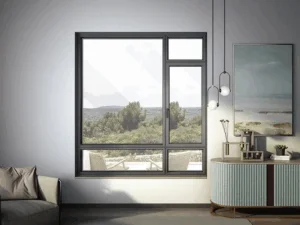
Pass-through windows sit between kitchens and patios, giving you that breeze without opening your whole house. Unlike standard windows, they operate constantly. Homeowners open them dozens of times daily. That frequency matters.
Standard windows might get opened once or twice a day. Pass-through windows work overtime. This extra use stresses the moving parts, especially the gas struts that hold them open. The result? They fail faster than you’d expect.
Most homeowners don’t realize their pass-through window has a completely different service lifespan than other windows. They maintain them like regular windows and get frustrated when problems appear within five to seven years.
Gas Strut Windows: The Hidden Problem Nobody Talks About
Gas struts are the unsung heroes of pass-through windows. These pneumatic cylinders hold the sash open and support its weight. They’re filled with pressurized nitrogen gas. Simple technology. Reliable when working.
Gas struts are not permanent. They slowly lose pressure over time. That’s not a defect. That’s physics. A new gas strut delivers consistent pressure. After 18-24 months of regular use, the seal degrades slightly. The pressure drops by 5-10%. You won’t notice at first. The window still opens. It feels fine.
By year three, pressure loss accelerates. The window becomes harder to open. It won’t stay propped open as easily. By year five, many homeowners complain of “sluggish” operation. What they’re experiencing is a gas strut in its final stage.
The problem compounds because homeowners apply force to compensate. They pull harder. Push harder. This damages the seals faster. Frustration leads to rough handling. Rough handling destroys the component you’re trying to save.
Explore Our Window Collection
Browse our range of custom pass-through windows designed to transform your space. Discover quality, style, and functionality in every product.
Shop Now
Why Your Pass-Through Window Won’t Open or Close Smoothly
A sticky pass-through window has multiple potential causes. Identifying the right one saves time and money.
Dirt and Debris in the Track
This is the most common culprit. Your track is exposed. Patio dust, pollen, and debris collect in the channel where your sash slides. This friction makes operation harder.
Clean the track with a stiff brush and vacuum. Use a damp cloth to wipe residue. Stubborn grime needs a 50/50 white vinegar and water solution. Let it sit for 10 minutes. Wipe clean. Run your sash back and forth 10 times to distribute any remaining moisture.
Failed Gas Strut Support
If cleaning doesn’t fix it, your gas strut is probably failing. The window feels heavier than it should. It takes deliberate force to open. It might not stay open without effort. This is irreversible without replacement. Gas struts can’t be recharged or refilled by homeowners. They’re sealed units. Once they lose pressure, they’re done.
Misaligned Sash
Installation mistakes cause misalignment. If your sash isn’t perfectly level when closed, friction increases dramatically. The sash binds on one side. Check this by opening your window fully. Look at the gap between the sash and frame. It should be uniform along the entire length. If one side has a larger gap, alignment is off.
Swollen Frame
Moisture causes wood frames to swell. Vinyl frames absorb water and expand. Swelling reduces clearance for your sash. Everything becomes tight. This happens gradually. It’s more common in humid climates or homes with persistent moisture problems.
Questions About Your Order?
Learn about our customer service policies, measuring guidelines, shipping details, and get direct access to our management team for personalized support.
Get Support Now
How Long Do Gas Strut Windows Actually Last?
Gas strut windows last 15-20 years if they’re quality units from established manufacturers and installed correctly. This is the full window lifespan, frame, glass, and all components.
More specifically:
- Glass and frame: 20-25 years (vinyl) or 25-40 years (wood, with refinishing)
- Weatherstripping: 5-10 years (replacement is routine maintenance)
- Gas struts: 5-8 years (depends on usage frequency)
- Hinges and hardware: 15-20 years (quality matters here)
Your pass-through window’s lifespan is determined by its weakest component. For most homeowners, gas struts fail first. Everything else still works fine, but one failed strut makes the window unusable.
Maintenance Schedule That Actually Works
Most homeowners ignore window maintenance until something breaks. A simple schedule prevents 80% of common problems.
Monthly:
- Vacuum the track
- Wipe glass and frame
- Check for visible damage
Quarterly:
- Clean tracks thoroughly
- Inspect weatherstripping for damage or hardening
- Look for signs of water infiltration
Annually:
- Deep clean all tracks and weep holes
- Lubricate hardware with silicone spray (not oil-based products)
- Inspect seals around the entire window
- Check for condensation between panes
- Test gas strut operation, the window should open smoothly with moderate pressure
Every 3-5 years:
- Professionally inspect the seal
- Consider weatherstripping replacement if it’s compressed
- Have a technician check flashing (if accessible from outside)
Every 5-8 years:
- Budget for gas strut replacement
- Evaluate overall window condition
This schedule takes about 15 minutes per window per year. Compare that to the cost of emergency repairs or premature replacement.
Contact Us and Enhance your Space with OpenUp® today!
Get a free consultation with specialists who understand energy-efficient windows for homes.
Book a Free Call
When to Repair vs. When to Replace
The repair-or-replace decision comes down to dollars and years remaining.
Repair if:
- Only one component is failing (gas strut, weatherstripping, hinges)
- The window is less than 10 years old
- Repair costs are less than 25% of replacement cost
- The glass is clear with no seal failure
Replace if:
- Multiple components are failing simultaneously
- The window is older than 15 years
- Condensation appears between panes
- Frame has visible water damage or rot
- Repair cost exceeds 40% of replacement cost
- You’re tired of the problems and want years of trouble-free operation
A failed gas strut in a 7-year-old window? Repair it. A leaking, condensing, misaligned window in a 17-year-old window? Replace it.
Conclusion
Pass-through windows are practical and beautiful when they’re working right. They’re frustrating when they’re not. Most problems are predictable. They follow a timeline. They’re preventable with basic maintenance.
Start with your current windows. Track their age. Implement the monthly and quarterly maintenance schedule. When components fail, replace them individually rather than replacing the entire window. You’ll extend your window’s lifespan and enjoy years of smooth, trouble-free operation.
If you’re experiencing problems now, start with the basics: clean tracks, check for visible damage, and inspect weatherstripping. Most issues have simple, affordable fixes. Only when multiple components fail does full replacement make sense. Your pass-through window should make your home better, not worse. With proper care, it will.
Frequently Asked Questions
- Why Is My Pass-Through Window Hard to Open?
Your tracks are probably clogged with dirt, or your gas strut is losing pressure. Clean the track first, it’s a quick fix. If that doesn’t help, you need a new gas strut.
- Can Pass-Through Windows Leak?
Yes, they leak more than regular windows because they have moving parts. Check your weatherstripping, weep holes, and flashing. Water finds its way in if these aren’t working.
- How Long Do Gas Strut Windows Last?
Quality windows last 15-20 years total, but gas struts usually need replacing every 5-8 years. Everything else outlasts the struts.
- How Do I Prevent Condensation on Windows?
Keep humidity between 30-50% inside your home and use exhaust fans when cooking or showering. Good airflow around your window helps too.