
Every day, homeowners struggle with windows that make rooms feel dark, drafty, or out of place. Choosing the right style can transform your home’s comfort, look, and energy costs instantly. But with so many styles, materials, and features on the market, it’s easy to feel overwhelmed or unsure where to start.
This guide walks you through the critical considerations homeowners often overlook, giving you the confidence to choose windows that enhance beauty, comfort, and long-term value. By the end, you’ll have a clear roadmap to make informed choices room by room, ensuring your windows meet both functional needs and aesthetic goals.

Window styles define the personality of your home. Picking out a style to go with your home’s architecture ensures that an upgrade will enhance curb appeal, not clash with it. Of course, various architectural styles naturally lend themselves to certain window types:
Colonial Homes: Classic appeal is maintained by double-hung windows with symmetrical grids.
Victorian Homes: Bay and bow windows bring elegance to Victorian homes, capturing light from many angles.
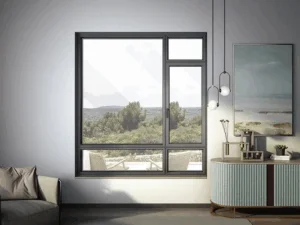
Modern and Contemporary Houses: The picture and casement windows offer clean lines and unobstructed views.
Ranch and Bungalow Styles: Sliding windows and single-hung windows work well with low-profile designs.
When choosing a window, consider proportion, trim, and symmetry. For example, extra-large picture windows might overwhelm a cottage-style home but be striking in a modern loft. Professionals suggest focusing on your home’s façade and architectural details first—then select window styles that further the overall look while supporting function.
Among the most critical factors of window selection, natural light has the power to enhance your mood and reduce energy costs by making rooms seem more open. However, depending on the orientation of your home and the surrounding landscape, the amount and direction of sunlight will change.
South-facing rooms: Large picture windows, sliding windows, and floor-to-ceiling designs provide the most daylight.
North-facing rooms: May need lighter, more reflective window frames that will brighten interiors naturally.
East- and west-facing rooms: Casement or awning windows allow controlled ventilation and can reduce harsh morning or afternoon sun.
Window shapes and configurations can dramatically increase natural light while creating aesthetic appeal. Experts recommend combining larger windows with energy-efficient glazing to enjoy sunlight without excessive heat gain.
The choice of the material that you use in your windows is as important as the style. The material influences durability, maintenance, insulation, and long-term performance. The following is a summary of typical window materials and the ways to select the most appropriate one based on the climatic conditions and cost of your home:
Vinyl Windows: Low cost, low maintenance, and energy saving. Vinyl does not get affected by moisture and does not distort; thus, it is the best in humid or rainy conditions.
Wood Windows: Wood is also a classic and visually attractive material that provides good insulation. It, however, needs regular maintenance to avoid rotting, warping, or insect damage, particularly in wet or harsh climates.
Aluminum Windows: Strong and lightweight and sleek and contemporary in appearance. Aluminum is a conductor that conducts heat, and therefore when used in hot or cold climates, it is important to combine it with the Aluminium windows thermal breaks or insulated glazing.
Fiberglass Windows: Hardy, stable, and maintenance-free. The degree of expansion and contraction of fiberglass due to changes in temperature is minimal, and it is hence suitable in areas that have high seasonal changes.
Browse our range of custom pass-through windows designed to transform your space. Discover quality, style, and functionality in every product.
Energy-efficient windows are cost-effective in the long run, as they reduce spending on utilities. They also help in bringing comfort indoors by keeping drafts, wasteful condensation, and the same temperatures in all the rooms of your house at the bare minimum. Experts focus on the use of windows that have established energy ratings and certifications to use. Here’s what to consider:
Glazing Options: Double or triple glazing This is insulated and reduces heat.
Low-E Coatings: This is an invisible coating that reflects heat and permits natural light to enter the homes to make the interiors cooler in summer and warmer in winter.
Gas Fills: The panes are filled with gas, either argon or krypton gas, which improves insulation, and it offers an additional cooling layer.
Proper Sealing: the best type of window is a failure when subjected to improper installation. Search for professional installation and closed frames.
Although aesthetics and efficiency are necessary, the element of privacy and security cannot be ignored. The style and location of the windows, as well as other aspects, help to keep it safe and inconspicuous:
Privacy Solutions: Frosted glass, colored panes, or window films enable the entry of the light and restrict the external observers.
Window Locks and Hardware: Locks and multi-point latches in good quality and reinforced window frames enhance security, especially of the accessible ground-floor windows.
Tempered or Laminated Glass: Both of these are ones that cannot break easily and provide an additional coating against intruders or unintentional damage.
Design: Bay and bow windows may also have custom blinds or shades that do not restrict the view but that do interfere with the privacy.
It is important to balance the light, the view, and the security. According to professionals, one should take into consideration not only the context of the neighborhood but also the functionality of the rooms.
You have to have a realistic budget in place before you begin window shopping. Depending on the style, material, glazing, and installation, the costs of windows may differ immensely, and a clear financial plan will give you the certainty of making a decision without a lot of panhandling.
Calculate the Outsourcing of the Windows: You can not only cover the windows themselves but also installation, finishing, trim, or even some customized features such as energy-saving coats or unique shapes.
Balance Quality and Cost: Vinyl windows will be cheaper in the short term, but high-quality wood or fiberglass can provide long-term value as it will be more durable and energy efficient.
Needs vs. Wants: Decide what is essential (e.g., power efficiency, security, privacy, etc.) and what is merely aesthetic.
Contingency Plan: Any unforeseen problem, like repair of rotted frames or altering wall openings, may add up, so make sure to add a buffer.
Get a free consultation with specialists who understand energy-efficient windows for homes.
Taking a deliberate, informed approach ensures your windows enhance your home’s comfort, aesthetics, and long-term value. By understanding the expert tips outlined here, you can confidently select windows that transform your home.
Ready to upgrade your windows with professional guidance? Schedule a consultation with OpenUp Windows today to explore your options, get expert advice, and find the perfect windows for your home. Make an informed decision that improves comfort, energy efficiency, and beauty for years to come.


