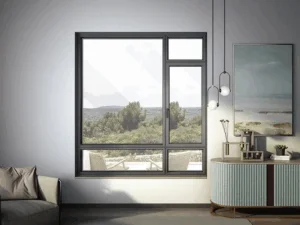
Basement windows don’t get regular attention. They only get noticed when cold air enters the home, water stains appear, or the lock gets damaged. Eventually this damage spread to the whole house.
Old basement windows affect energy efficiency, indoor weather, moisture control, and even home safety. There might be several temporary fix options, like caulking cracks or taping draft, but they don’t last; they just delay a bigger problem.
In this guide, you will get to know how to replace basement windows properly. You’ll learn what to expect, how to plan, and how to avoid costly mistakes.
When Should Basement Windows Be Replaced?
When the basement windows get damaged and stop doing their job, that means they need to be replaced. With time, rusted metal frames get weaker, and there are more chances for the moisture to come in. Soft or rotting wood signals hidden damage. Water stains after rain point to failed seals. Windows that stick or refuse to open create safety risks. If your basement feels damp, dark, or uncomfortable, new windows restore warmth, light, and peace of mind for daily living.
Explore Our Window Collection
Browse our range of custom pass-through windows designed to transform your space. Discover quality, style, and functionality in every product.
Shop Now
Planning Your Basement Window Replacement the Right Way
Good planning for your basement windows helps to prevent rework and save your extra costs. They also last longer, so you don’t have to be stressed.
-
Check Local Building Codes and Egress Rules
Some basements require egress windows, especially if the space is used as a bedroom or living area. Egress windows must meet size and height requirements for emergency exits. Many homeowners overlook this step.
-
Measure the Opening Accurately
Always measure the rough opening width and height. Measure in three spots and use the smallest number. This avoids gaps that cause air leaks and water entry.
Choose the Right Replacement Window
- Look for windows designed for basements. Features to prioritize:
- Double-pane glass
- Low-E coatings
- Moisture-resistant frames
- Tight locking systems
- Basements benefit from energy-efficient glass, even though they receive less sunlight.
Tools and Materials You’ll Need Before You Start
Having everything ready saves time and mistakes.
- Pry bar and utility knife
- Hammer or drill
- Caulking gun
- Shims
- Waterproof sealant
- Spray foam insulation
- Replacement basement window
- Safety gloves and eye protection
Basement work often involves concrete edges and damp surfaces. Safety matters more than speed.
Questions About Your Order?
Learn about our customer service policies, measuring guidelines, shipping details, and get direct access to our management team for personalized support.
Get Support Now
Step-by-Step Guide: How to Replace Basement Windows
Step 1: Remove the Old Basement Window
Cut through old caulk and paint lines first. Gently pry the frame loose. For masonry openings, screws or anchors may be embedded in concrete. Remove them carefully to avoid wall damage.
Step 2: Prepare the Window Opening
Clear debris, dust, and old sealant. Inspect the opening for moisture damage or crumbling masonry. The surface must be solid, clean, and dry. Check that the opening is level and square. Small adjustments now prevent future leaks.
Step 3: Dry-Fit the New Basement Window
Place the new window into the opening without fastening it. This confirms sizing and alignment. Use shims at the bottom and sides to center the window. Proper spacing ensures the frame stays straight once secured.
Step 4: Secure the Window Properly
Fasten the window according to manufacturer’s instructions. For concrete walls, masonry screws or anchors are common. Do not overtighten. Too much pressure can warp the frame and affect operation.
Step 5: Seal, Insulate, and Weatherproof
Apply waterproof sealant around the exterior perimeter. Inside, use low-expansion spray foam to fill gaps. Avoid over-foaming. Excess foam can bow the frame and cause sticking.
Step 6: Finish Interior and Exterior Trim
Install trim neatly to cover gaps and protect edges. Outside, ensure proper flashing or sealant directs water away from the wall. A clean finish improves durability and appearance.
Contact Us and Enhance your Space with OpenUp® today!
Get a free consultation with specialists who understand energy-efficient windows for homes.
Book a Free Call
Common Basement Window Replacement Mistakes to Avoid
Many blogs skip this part. These errors cause most failures:
- Ignoring exterior drainage issues
- Using household caulk instead of waterproof sealant
- Overfilling gaps with foam
- Skipping vapor barriers
- Installing windows too small for egress needs
Avoiding these mistakes extends window life and protects your foundation.
DIY vs Professional Basement Window Replacement
When DIY Makes Sense
- Simple swaps with no size changes
- No moisture or structural damage
- Basic hopper or sliding windows
When to Hire Professionals
- Enlarging window openings
- Installing egress windows
- Existing water or foundation problems
- Homes with older masonry walls
Professional installation often saves money long-term by preventing leaks, heat loss, and repairs.
Cost Breakdown: How Much Does Basement Window Replacement Cost?
Costs vary based on several factors.
Average range:
Basic replacements often start in the low hundreds per window. Larger or egress installations cost more.
What affects price:
- Window type and size
- Frame material
- Labor complexity
- Structural modifications
DIY may reduce labor costs, but mistakes can outweigh savings quickly.
How Basement Window Replacement Improves Your Home
Replacing basement windows delivers benefits you notice right away.
- Lower heating and cooling bills
- A warmer, drier basement
- Better security and peace of mind
- Increased home value
- Reduced risk of mold and moisture damage
It’s one upgrade that improves comfort and protection at the same time.
Why Homeowners Trust OpenUp Windows for Basement Window Replacement
Homeowners choose OpenUp Windows because details matter in basement spaces. Their team focuses on precise measurements, quality materials, and clean installation. Each project is handled with care, from moisture protection to energy efficiency. Local expertise means solutions that fit real conditions, not temporary fixes. The result is basement windows that last and perform as they should.
Get Basement Windows Done Right the First Time
Basement windows need more protection than a room window. Because they are more likely to catch moisture, let moisture come in and get rusted. They protect your home’s structure, comfort, and value. Replacing them at the appropriate time prevents hidden damage and costly repairs. Whether you tackle a simple replacement or hire a professional, it needs to be done right at once. The moment you notice that your basement windows are damaged, it’s the right time to replace them.