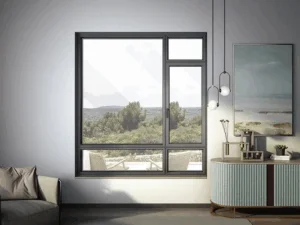
You cook dinner. The rest of the house is alive with noise and laughter. But you are stuck behind a wall. That is the closed kitchen problem, and it has nothing to do with your kitchen being too small. It has everything to do with how it connects to your home.
Thousands of homeowners across the United States, from compact apartments in Chicago to suburban homes in California, are making one small change that transforms how their home feels. You don’t need a full renovation or new layout. Just one opening in the wall that can change everything is a pass-through window.
Four signs your kitchen suffers from closed-kitchen syndrome:
- You miss conversations happening in the next room
Cooking becomes isolating when everyone else is socializing on the other side of a wall.
- Natural light barely reaches your countertops
Closed kitchens depend entirely on artificial lighting. This increases energy costs and affects mood.
- Food service feels like a relay race
Carrying dishes from the kitchen to the table around corners and through doorways gets old fast, especially during a dinner party.
- The kitchen feels dated and heavy
Solid walls everywhere create a visual weight that modern open designs have moved away from entirely.
Explore Our Window Collection
Browse our range of custom pass-through windows designed to transform your space. Discover quality, style, and functionality in every product.
Shop Now
What Is a Pass-Through Window, Exactly?
A pass-through window, sometimes called a servery window or a kitchen pass-through, is an opening cut into an interior or exterior wall. It connects two spaces directly.
The most common version sits between the kitchen and an outdoor entertaining area, or between the kitchen and a dining room. When open, it creates an instant visual and physical link. You can hand drinks through it, chat with guests on the deck, keep an eye on kids in the yard, and let fresh air flow through your home.
Modern pass-through windows, like those from OpenUp Windows, use a gas strut mechanism. This means the window lifts with one hand and stays in place without any prop rods or awkward catches. It is smooth, clean, and easy to operate every single day.
The Outdoor Entertaining Game-Changer
This is where pass-through windows really earn their place. In the United States, especially, outdoor entertaining is not a summer luxury; it is a year-round lifestyle. But a closed kitchen makes outdoor hosting genuinely difficult.
Think about a Saturday afternoon barbecue. Someone needs a fresh drink. The salad is still being tossed. The garlic bread just came out. Without a pass-through, every single handoff requires walking through the house. With one, you just lift the window and pass it straight through.
Outdoor kitchens and alfresco dining areas in California, Texas, and Florida have exploded in popularity over the last decade. A pass-through window is the missing link between the indoor kitchen and that outdoor space.
How Gas Strut Windows Work And Why It Matters
Not all pass-through windows are equal. Older styles used to rely on a manual prop rod — a stick you placed into a hole to hold the window open. It worked, but it was clunky, easy to misplace, and a hazard if knocked loose.
Gas strut windows changed that completely. Here is how they work.
Two gas struts, one on each side of the sash, compress when the window is closed and extend as you lift it. The gas pressure holds the window open at any angle. No rods. No clips. No fighting with sticky hardware. Just lift and let go.
OpenUp Windows builds all its pass-through windows with high-quality gas struts rated for tens of thousands of open-close cycles. That means years of daily use without any sagging or stiffening.
Questions About Your Order?
Learn about our customer service policies, measuring guidelines, shipping details, and get direct access to our management team for personalized support.
Get Support Now
Where to Put a Pass-Through Window in Your Home
Location matters more than size. A well-placed smaller window beats a large one in the wrong spot every time.
- Kitchen to alfresco or deck
This is the most popular placement. The window sits above the benchtop on the wall facing the outdoor area. It creates a servery shelf outside for drinks and food and pulls in fresh air and garden views. Perfect for homes in California, Florida, and other coastal states.
For homes without an outdoor entertaining area, opening the kitchen wall into the dining room works just as well. It keeps the kitchen semi-enclosed (useful for containing cooking smells) while still creating that visual and social connection.
Some homeowners use pass-through windows to create a proper home bar setup, one side with the fridge, glassware, and cocktail tools and the other side opening to a patio. It is the kind of thing that makes visitors say, “This is incredible.”
What to Consider Before You Install One
Pass-through windows are simpler to install than most people expect, but there are a few things worth thinking about first.
Most external walls and some internal walls are load-bearing. You will need a licensed builder or structural engineer to confirm this before cutting any opening. OpenUp Windows can connect you with the right professionals in your area.
Standard pass-through windows run from 900mm wide up to 1800mm. The right size depends on your bench depth, the wall thickness, and how much flow you want. A wider window lets more light in but requires more structural support if the wall is load-bearing.
- Which direction does the window face?
North-facing openings in the United States get more consistent sunlight; get more winter sun and gentle summer shade. East-facing openings get morning light, which works beautifully for a breakfast bar setup. Consider sun exposure, prevailing winds, and privacy when choosing your wall.
- Do you need council approval?
In most states and territories, cutting an opening into an external wall requires a building permit. Your local council website will have the specifics. In many cases, a licensed builder can handle this for you as part of the installation.
Contact Us and Enhance your Space with OpenUp® today!
Get a free consultation with specialists who understand energy-efficient windows for homes.
Book a Free Call
Frequently Asked Questions
- What is a pass-through kitchen window?
It is an opening in a kitchen wall that connects indoor and outdoor spaces, making it easier to serve food, share light, and stay connected.
- Do pass-through windows make kitchens feel bigger?
Yes. They improve visual connection, light flow, and openness, which makes even small kitchens feel less cramped and more spacious.
- Can a pass-through window be added to an existing kitchen?
Yes. In most homes, they can be installed during renovation after checking if the wall is structural and getting necessary approvals.
- Are pass-through windows good for entertaining?
Absolutely. They make serving food and drinks easier and keep conversations flowing between the kitchen and outdoor or dining areas.
- Do I need council approval to install one?
In many cases, yes, especially if it involves an external or load-bearing wall. A licensed builder usually helps manage the approval process.